
If you’ve recently discovered affiliate marketing, you may have asked yourself an important question:
Is affiliate marketing actually legitimate?
Or is it just another online scam?
This concern is completely normal. The internet is full of questionable “make money online” programs, and beginners often struggle to separate real opportunities from misleading promises.
The good news is that affiliate marketing itself is a legitimate business model. In fact, it is widely used by many major companies around the world.
Brands such as Amazon, Shopify, and Hostinger all run affiliate programs that allow people to earn commissions by promoting their products.
However, while affiliate marketing is legitimate, not every program or “training system” on the internet is trustworthy.
In this guide, we’ll explain the truth behind affiliate marketing and help you understand how to avoid scams.

What Affiliate Marketing Actually Is
Before deciding whether affiliate marketing is legitimate, it’s important to understand what the business model actually involves.
Affiliate marketing is a performance-based marketing system where companies reward individuals for bringing them customers.
The process is simple:
- A company creates an affiliate program
- Affiliates receive unique tracking links
- Affiliates promote products online
- Customers click the links and make purchases
- The affiliate earns a commission
This model benefits both sides.
Companies gain new customers without paying for advertising upfront, while affiliates earn commissions for referrals.
Learn More: How Affiliate Marketing Works
Why So Many People Think Affiliate Marketing Is a Scam
Even though affiliate marketing is legitimate, many people still believe it’s a scam.
There are several reasons for this.
1. Unrealistic Income Claims
One of the biggest problems in the “make money online” industry is exaggerated marketing.
You may have seen advertisements promising:
- $10,000 per month with no work
- Passive income overnight
- Make money while doing nothing
These claims are misleading.
Affiliate marketing requires real work, including:
- building a website
- creating useful content
- attracting traffic
Like any real business, it takes time to grow.
2. Low-Quality Training Programs
Another reason people distrust affiliate marketing is the existence of poor-quality training courses.
Some programs charge high fees but provide little real guidance.
Others focus more on recruiting new members than teaching actual marketing skills.
Because of this, beginners sometimes assume the entire industry is a scam.
WealthyAffiliate.com is considered a high-quality training program because it offers a comprehensive, all-in-one ecosystem for beginners, combining structured, step-by-step training with built-in tools like website hosting and keyword research. It provides a supportive, active community and focuses on practical, long-term content marketing strategies.
Key Reasons for High-Quality Status:
- Structured Learning Paths: It provides a clear, step-by-step roadmap for building an online business, reducing “analysis paralysis” for beginners.
- All-in-One Platform: The platform includes training, website hosting, and the Jaaxy keyword research tool, eliminating the need to pay for multiple, separate services.
- Community and Support: Members have access to a large, active community and direct access to experts for help, which can make the process less isolating.
- Focus on Fundamentals: The training emphasizes building sustainable websites through high-quality content, rather than “get-rich-quick” schemes.
- Constant Updates: The platform integrates modern training methods and AI, aiming to keep content relevant in a changing online landscape.
While many find it high-quality, some users argue that parts of the training can become outdated. It is widely considered best for beginners, while experienced marketers may find less value.
Join Wealthy Affiliate for Free
3. Fake Gurus on Social Media
Social media platforms are filled with “gurus” showing luxury lifestyles and claiming that affiliate marketing made them rich overnight.
In reality, many of these influencers earn money primarily by selling courses rather than practicing affiliate marketing themselves.
This will confuse beginners who are trying to learn the business.
The Reality: Affiliate Marketing Is a Real Industry
Despite the misinformation online, affiliate marketing is a well-established digital marketing channel.
Global affiliate marketing spending is experiencing consistent, year-over-year growth, with the industry projected to surpass $17 billion in 2026, up from $13 billion in 2022. Driven by high ROI (approx. 12:1) and adoption by over 80% of brands, this sector now accounts for roughly 16% of all global e-commerce sales.
Many companies now rely heavily on affiliates to drive sales.
For example:
- software companies
- web hosting services
- VPN providers
- online education platforms
Companies such as NordVPN and Surfshark run affiliate programs that pay commissions to content creators and website owners.
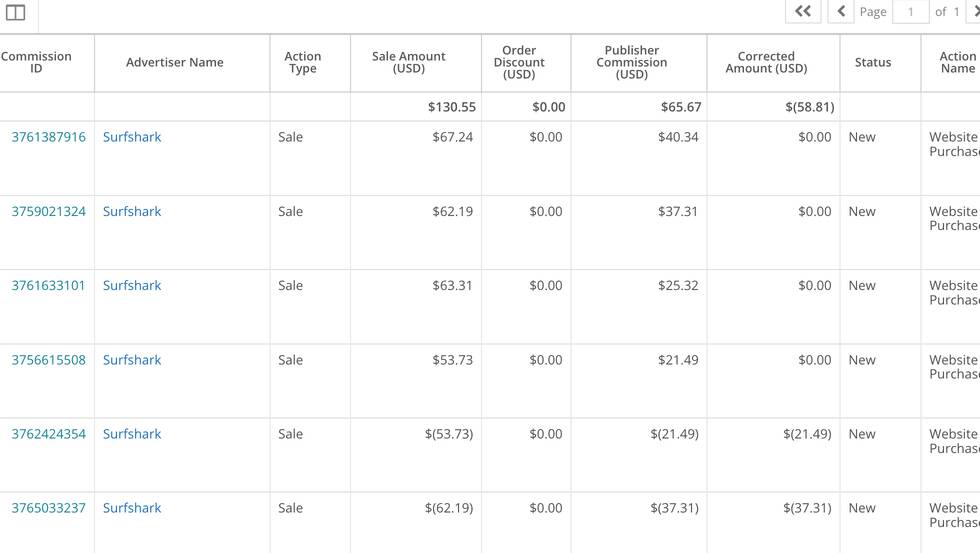
This demonstrates that affiliate marketing is not only legitimate — it’s a major part of modern online marketing.
Signs of a Legitimate Affiliate Program
If you want to avoid scams, it’s important to recognize what legitimate affiliate programs look like.
Here are several signs to look for.
1. Transparent Commission Structure
Legitimate affiliate programs clearly explain:
- commission rates
- payment schedule
- tracking system
You should always know how and when you will be paid.
2. Reputable Companies
Most legitimate affiliate programs belong to established companies.
Examples include:
- Amazon
- Shopify
- Hostinger
These companies have strong reputations and long-term business models.
3. Free or Low-Cost Registration
Most affiliate programs are free to join.
If a program requires extremely high upfront fees without providing clear value, it’s worth researching further before joining.
How Beginners Can Start Affiliate Marketing Safely
If you want to start affiliate marketing the right way, focus on building a real online platform.
Most successful affiliates follow a simple path.
Step 1: Choose a Niche
A niche is the specific topic your website focuses on.
If you’re just starting, choose a niche direction that you are passionate about and interested in. Oftentimes, a hobby can work out really well. As you scale and grow and get the formula for success down, you can expand into many different niches.
Examples include:
- web hosting
- online business
- digital tools
- software reviews
Choosing a niche helps you attract the right audience.
Learn More: Why Your Niche MATTERS in Affiliate Marketing
Step 2: Build a Website

A website is one of the best platforms for affiliate marketing because it allows you to create helpful content that attracts search traffic.
Many beginners start with a blog and gradually publish articles that answer common questions.
Launch your website on Hostinger with 85% off
Build, host, and grow online for just $1.99/month + 2 months free
Step 3: Join Legitimate Affiliate Programs
After your website is set up, you can begin joining affiliate programs that match your niche.
For example, if you write about online business tools, you might promote web hosting or software services.
One popular beginner training platform is Wealthy Affiliate, which provides tutorials on building affiliate websites and generating traffic.
How Long Does It Take to Make Money?
Affiliate marketing is not a “get-rich-quick” system.
Affiliate marketing generally takes 3 to 12 months to generate consistent, significant income, though first commissions can occur within 24 hours to a few weeks.
Most beginners need time to:
- build a website
- publish content
- rank in search engines
For many new affiliates, the first commissions appear after several months of consistent work.
Success relies on building audience trust and organic traffic, typically yielding $0–$1,000/month in the first year.
Once your website gains traffic, affiliate marketing can generate recurring income.
Final Thoughts
So, is affiliate marketing legit or a scam?
The answer is simple:
Affiliate marketing is a legitimate business model used by companies around the world.
However, success depends on choosing trustworthy programs and building a real online platform.
Instead of chasing unrealistic promises, focus on learning the fundamentals:
- How Affiliate Marketing Works
- How to build a website
- How to attract traffic
If you approach it like a real business, affiliate marketing can become a powerful way to earn income online.
FAQ
Is affiliate marketing legal?
Yes. Affiliate marketing is completely legal and widely used by companies around the world.
Can beginners really make money with affiliate marketing?
Yes, but it usually takes time to build traffic and authority.
Most successful affiliates focus on creating useful content and building long-term websites.
Do you need to pay to start affiliate marketing?
Many affiliate programs are free to join. However, building a website may require small costs such as hosting and domain registration.